Looking to make your voice heard? Then Join The Worker’s Union today
Join The Worker’s Union – fighting the corner of working people.

[
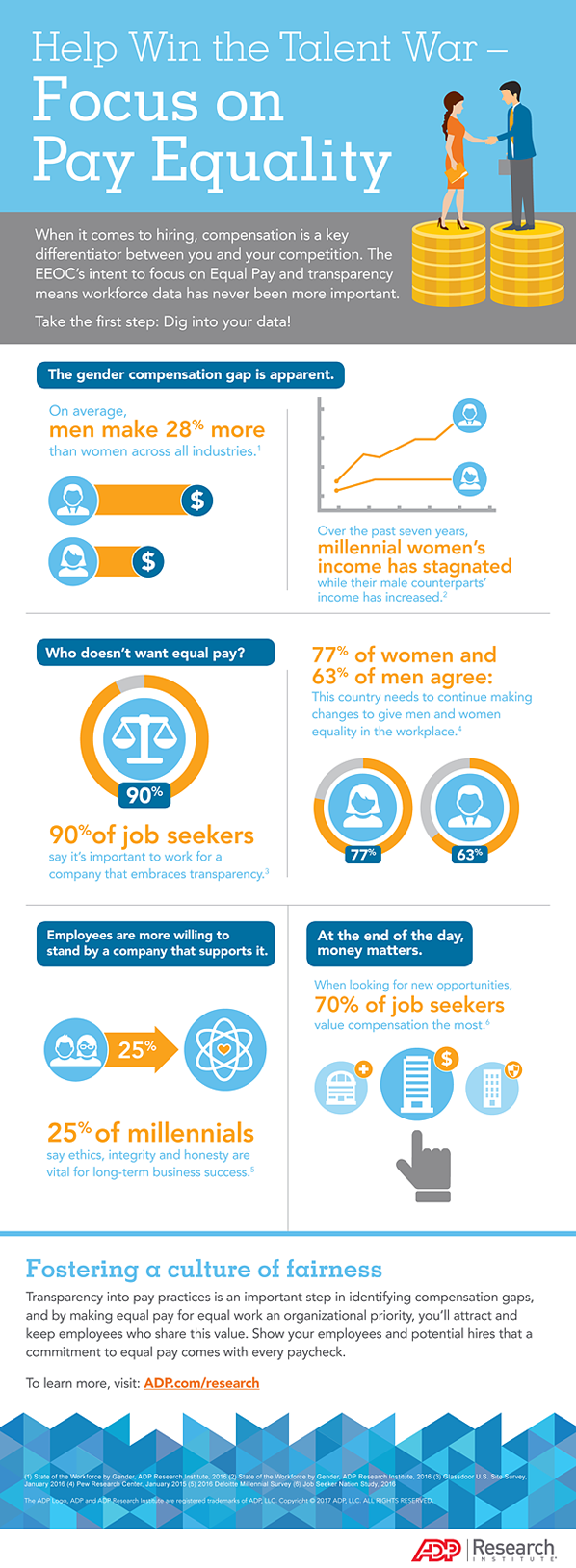
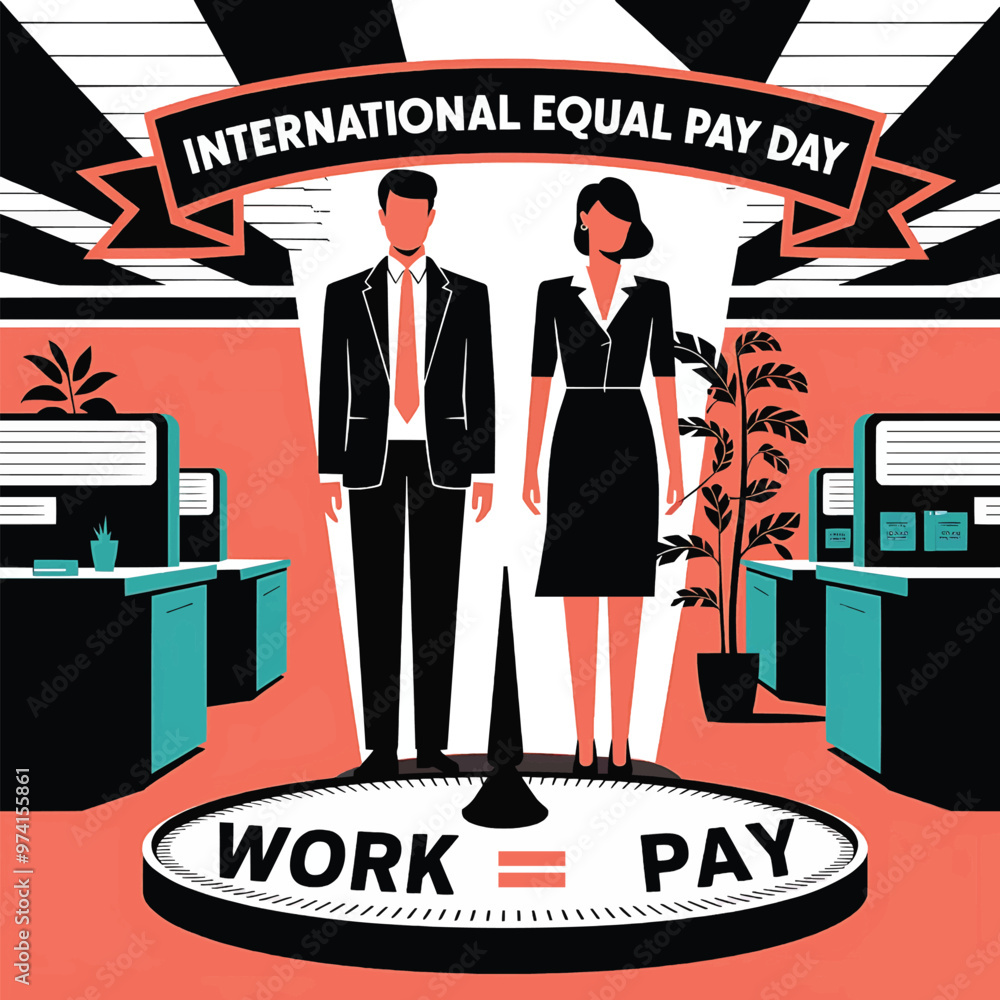
The Executive Summary for this guide on pay equality frames a practical, data-driven path to closing wage gaps and building trust within organizations. Pay equity is not a one-off project; it’s a continuous discipline that blends transparent practices, rigorous measurement, and accountable leadership. When companies commit to fair pay, they don’t just improve morale—they enhance performance, reduce turnover, and boost their reputation in competitive labor markets. This piece outlines why pay equality matters, what a robust program looks like in practice, and how to sustain progress through five interconnected subtopics. You’ll find clear definitions, concrete steps, and actionable checks that can be adopted by startups, mid-size firms, and large enterprises alike. By prioritizing fairness in compensation, organizations can align values with outcomes, and stakeholders—from employees to investors—will notice the difference.
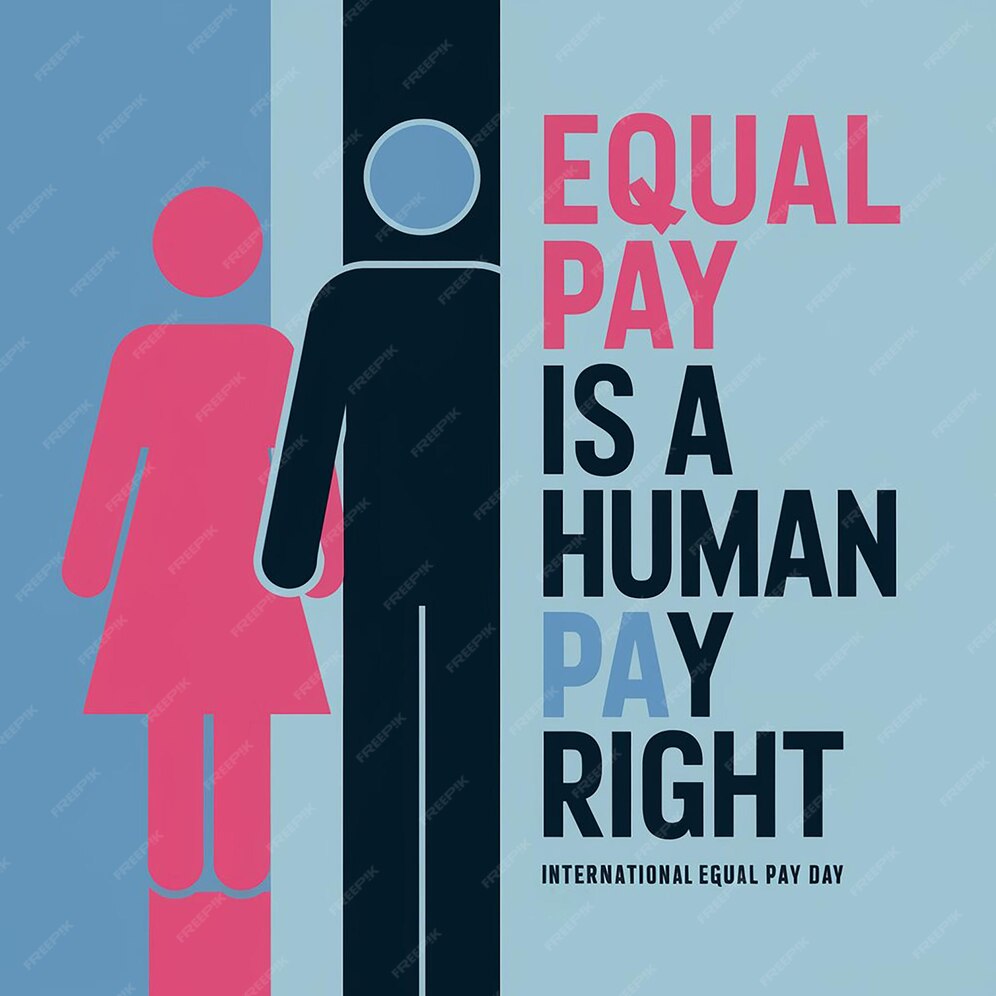
At the heart of any successful pay equality effort lies three pillars: data, process, and culture. First, you need reliable, privacy-conscious data that reveals where gaps exist and why they persist. Second, you must design and implement standardized, bias-resistant processes for job evaluation, salary setting, and progression. Finally, you need a culture that supports transparency, accountability, and ongoing improvement. This guide walks you through each pillar, offering practical tools, recommended practices, and common pitfalls to avoid. Whether your goal is compliance, competitiveness, or genuine inclusion, the path to pay equality is a strategic investment with tangible returns.
Beyond compliance, true pay equality drives meaningful business results. When a workforce feels fairly compensated, engagement improves, hiring broadens to a wider talent pool, and innovation accelerates because people bring their best without worrying about being undervalued. The risk of ignoring pay equity is not just reputational—it’s financial. Unaddressed gaps can lead to costly turnover, legal exposure, and missed opportunities to leverage the full range of employee capabilities. The approach outlined in this article is designed to be practical, scalable, and adaptable—whether you are restructuring an entire compensation framework or auditing a specific department.
This executive summary also emphasizes that equality in pay is a shared responsibility. It requires governance structures that enable data access and protection, policies that standardize decisions, and a leadership culture that models fairness in every promotion, audit, and incentive. The result is a more resilient organization where compensation reflects value, performance, and potential rather than outdated stereotypes or opaque practices. As you read, you’ll encounter five subtopics that together create a robust, sustainable approach to achieving pay equity. Each subtopic includes a concise description followed by concrete bullet points you can apply immediately. Embrace the journey—your organization’s people, reputation, and bottom line stand to gain.
Ultimately, promoting equality in pay is about more than aligning numbers. It’s about aligning hours, effort, expertise, and accountability with appropriate compensation. It’s about creating a workplace where every employee believes they are valued, heard, and fairly rewarded for the contributions they make. It’s about turning fairness from a concept into a practice that permeates hiring, development, and advancement. This guide is designed to help you translate that ideal into a reproducible, auditable, and sustainable system. If you commit to clear standards, transparent communication, and ongoing measurement, you’ll be well on your way to a workplace that not only meets legal and ethical expectations but genuinely elevates performance and trust across the organization.
Introduction
Creating genuine pay equality starts with a simple premise: compensation should reflect value, not bias. In today’s global labor market, where talent is abundant but competition is intense, fairness in pay is a strategic asset. It attracts top performers, reduces turnover, and strengthens alignment between pay, performance, and potential. Yet many organizations struggle because gaps can be subtle, systemic, or embedded in legacy processes. This article offers a practical framework—rooted in data, governance, and culture—that makes pay equity measurable, defendable, and sustainable. Whether you are a CEO, HR leader, manager, or an employee advocate, you’ll find guidance you can tailor to your organization’s size, industry, and stage of growth. The path to fair pay is not a one-time fix; it is an ongoing commitment to clarity, accountability, and continuous improvement.
FAQ
How does pay equality impact organizational performance and culture?
Pay equality strengthens trust and engagement. When employees see fair treatment in compensation, they are more likely to invest effort, collaborate across teams, and stay longer. Stronger morale correlates with higher productivity, better customer outcomes, and reduced hiring costs.
What kind of data is needed to start assessing pay equity?
You’ll need role-level data (job titles, levels, and bands), compensation data (base pay, bonuses, stock if applicable), demographics (to analyze patterns while protecting privacy), performance and tenure metrics, and market benchmarks. The key is to collect comprehensive, privacy-respecting data that enables rigorous analysis and credible audits.
What are practical first steps for a small to mid-sized organization?
Begin with a salary audit to identify obvious gaps, standardize job evaluation criteria, define transparent pay bands, and establish a policy for regular pay reviews. Communicate the plan to employees, ensure managers receive bias-reduction training, and set up a simple dashboard to track progress.
Top 5 subtopics
Pay Equity Essentials
Description: This subtopic defines pay equity, contrasts it with equal pay for equal work, and explains how to measure and maintain internal fairness while considering external market conditions. It sets the foundation for a fair pay architecture.
Data-Driven Transparency
Description: This subtopic emphasizes collecting and analyzing data responsibly to reveal where gaps exist and how to close them. It covers dashboards, privacy, and communication with stakeholders.
Legal and Compliance Landscape
Description: This subtopic reviews the regulatory environment, highlighting rights, obligations, and governance mechanisms.
Strategies for Implementation
Description: This subtopic translates concepts into practical steps organizations can take to implement pay equity.
Measuring and Sustaining Equity
Description: This subtopic focuses on ongoing measurement, improvement cycles, and long-term sustainability of pay equity initiatives.
Conclusion
Achieving true pay equality is not a single project with a finish line; it’s an ongoing program of improvement that requires discipline, openness, and strategic investment. By anchoring your approach in robust data, fair processes, and a culture that values transparency, organizations can close gaps effectively while maintaining competitiveness and compliance. The five subtopics above provide a practical blueprint that scales from small teams to global enterprises. Start with a clear definition and a brave first audit, then build standardized evaluation methods, implement bias-resistant policies, and sustain progress with regular measurement and open communication. When done well, pay equity becomes a competitive differentiator—one that attracts top talent, reduces risk, and reinforces the trust that underpins high-performing teams.
Tags
Join The Worker’s Union – fighting the corner of working people.

The Workers Union (Company, we, us, our) is committed to protecting the privacy and security of your personal data. This Privacy Notice describes how we collect, use and look after your personal data when you visit our website www.theworkersunion.com (our Site) (regardless of where you visit it from), login to the dashboard (the Dashboard), create a user account with us or otherwise communicate with us to use the services (the Services). It also tells you about your rights and how the law protects you.
More information about our Privacy Notice
These are the cookies that are essential for The Workers Union to perform basic functions. These include those required to allow registered users to authenticate and perform account related functions.
Our Privacy Notice explains our principles when it comes to the collection, processing, and storage of your information. The Cookie Policy specifically explains how we, our partners, and users of our services deploy cookies, as well as the options you have to control them.
More information about our Cookie Policy
If you disable this cookie, we will not be able to save your preferences. This means that every time you visit this website you will need to enable or disable cookies again.
The Workers Union makes use of different third-party applications and services to enhance the experience of website visitors. These include Google Analytics, social media platforms such as Facebook and Twitter (through the use of sharing buttons), or embedded content from YouTube and Vimeo. As a result, cookies may be set by these third parties and used by them to track your online activity. We have no direct control over the information that is collected by these cookies.
Please enable Strictly Necessary Cookies first so that we can save your preferences!